
Installation and Commissioning
1. Introduction
This report outlines the activities carried out during the installation and commissioning of RF systems as part of a telecommunications project. RF systems are critical components of wireless communication networks, responsible for transmitting and receiving radio signals through properly installed and configured hardware and software. This process includes the installation of the Base Transceiver Station (BTS), antennas, feeders, vehicle-mounted terminals, and hand-portable devices, along with comprehensive software configuration. Proper execution of these tasks ensures optimal signal performance, network coverage, and long-term system stability.
2. Scope of Work
The scope of this phase includes:
- Delivery and verification of RF equipment on-site
- Installation of the Base Transceiver Station (BTS)
- Grounding and weatherproofing of all RF components
- Installation of vehicle-mounted RF terminals
- Commissioning of hand-portable terminals (e.g., handheld radios)
- Software configuration, including NMS, dispatcher systems, voice recorder, and other O&M tools
- Commissioning and on-air testing of the RF system
- Performing initial call tests and verifying key performance indicators (KPIs)
3. Installation Activities
The following tasks were carried out during the installation phase:
- BTS Installation: The BTS unit was installed in the designated shelter or equipment room. All modules were securely mounted and connected to power and transmission links.
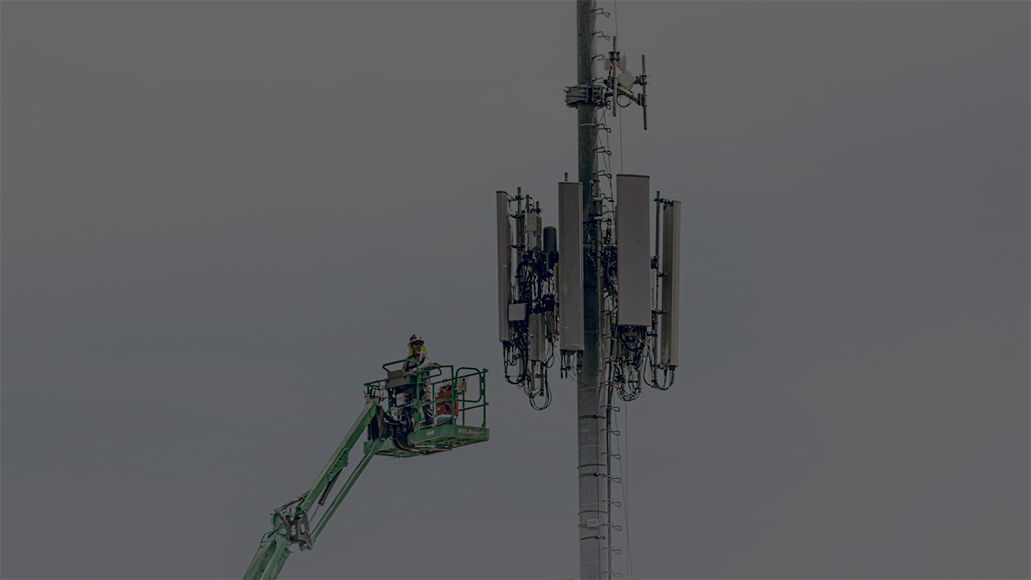
- Antenna Mounting: Sector antennas were mounted at the specified height and azimuth, aligned based on the RF plan with appropriate tilt adjustments.
- Feeder Cable Routing: Coaxial feeder cables were routed from antennas to indoor/outdoor equipment, using cable trays and supports to maintain bend radius and protect against physical damage.
- Vehicle Terminal Installation: Mobile terminals were installed in designated vehicles, connected to external antennas and tested for secure power and signal integration.
- Grounding and Weatherproofing: All RF components were properly grounded using standard practices, and external connectors were sealed using weatherproofing kits to prevent moisture ingress.
- Labeling: Equipment, feeders, and patch panels were clearly labeled to match the site layout and design documentation, aiding future maintenance and troubleshooting.
4. Commissioning Activities
Commissioning was conducted in coordination with the Network Operations Center (NOC) and included both hardware and software checks:
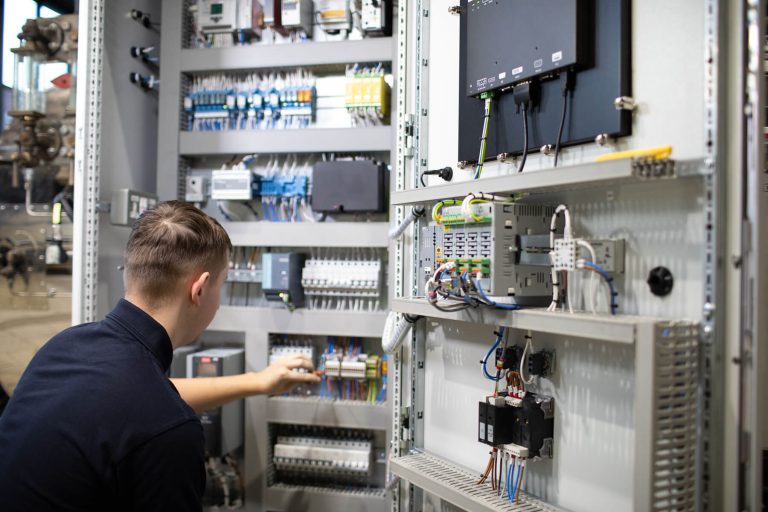
- Power-On and Hardware Validation: All installed equipment, including BTS, RRUs, vehicle terminals, and hand-portable devices, was powered on and verified for operational status.
- Software Configuration: System parameters such as frequency bands, bandwidth, PCI, cell ID, and transmit power were configured. Additionally, the following software components were installed and tested:
- Network Management System (NMS)
- Dispatcher software
- Voice recording system
- Terminal management and logging tools
- Hand-Portables Commissioning: Handheld RF terminals were registered with the system, configured with the appropriate talk groups/channels, and tested for voice clarity, coverage, and handover performance.
- Vehicle Terminal Testing: Each vehicle terminal was tested in both idle and operational modes, verifying GPS tracking, audio quality, signal strength, and integration with dispatcher systems.
- VSWR Testing: Voltage Standing Wave Ratio was measured for all feeder lines to verify proper RF cable and antenna connection (target VSWR < 1.5).
- Call Testing: Voice and data call tests were conducted on each sector and device type to validate service availability and quality.
- Alarm Monitoring and Clearance: All alarms were checked through the OMC/NMS interface, and any active alarms were resolved before handover.
5. Conclusion
This report has documented the complete process of RF system installation and commissioning. Key tasks included the installation of BTS equipment, antennas, RRUs, feeder cables, vehicle-mounted RF terminals, and hand-portable devices. Software systems such as the NMS, dispatcher platform, and voice recording tools were configured and tested for operational readiness. Final commissioning included VSWR testing, terminal functionality checks, call testing, and alarm verification. The site is now fully operational with all components integrated successfully and all performance indicators meeting project specifications.